EMDR Is Hard… But I’m Still Showing Up
EMDR is hard. The process requires you to intentionally go back in time to recall traumatic moments and feel them again. Not just think about them, but actually activate the emotions tied to them.
The same emotions I’ve spent years avoiding, controlling, or pushing down I’m coming face to face with.
These are the types of feelings most of us don’t want to feel. We create distance between who we are now and what we’ve been through. We keep moving, stay busy and convince ourselves we’ve “dealt with it.”
But EMDR doesn’t let you bypass it. If I want to heal, I have to go through it.
What happened during my 5th EMDR session
In this session, I had to tap into one of my most difficult and uncomfortable memories. This is the second major memory we’ve worked on reprocessing so far, and even though I knew what to expect to some extent, nothing fully prepares you for what it feels like to go back there.
That’s the thing about EMDR, it doesn’t just ask you to remember. It requires you to feel.
To not just recall what happened, but to activate the emotions attached to it. The fear, sadness, grief and the parts you’ve learned to control or avoid just to function.
That’s what makes it so hard.
Reprocessing Difficult Memories
This particular memory centered around a moment from my childhood when I was forced to confront my abuser, only to have my experience denied in front of my mom. Even now, writing that feels heavy. But being in it during the session, visualizing it, stepping back into that room, that moment, that was something else entirely.
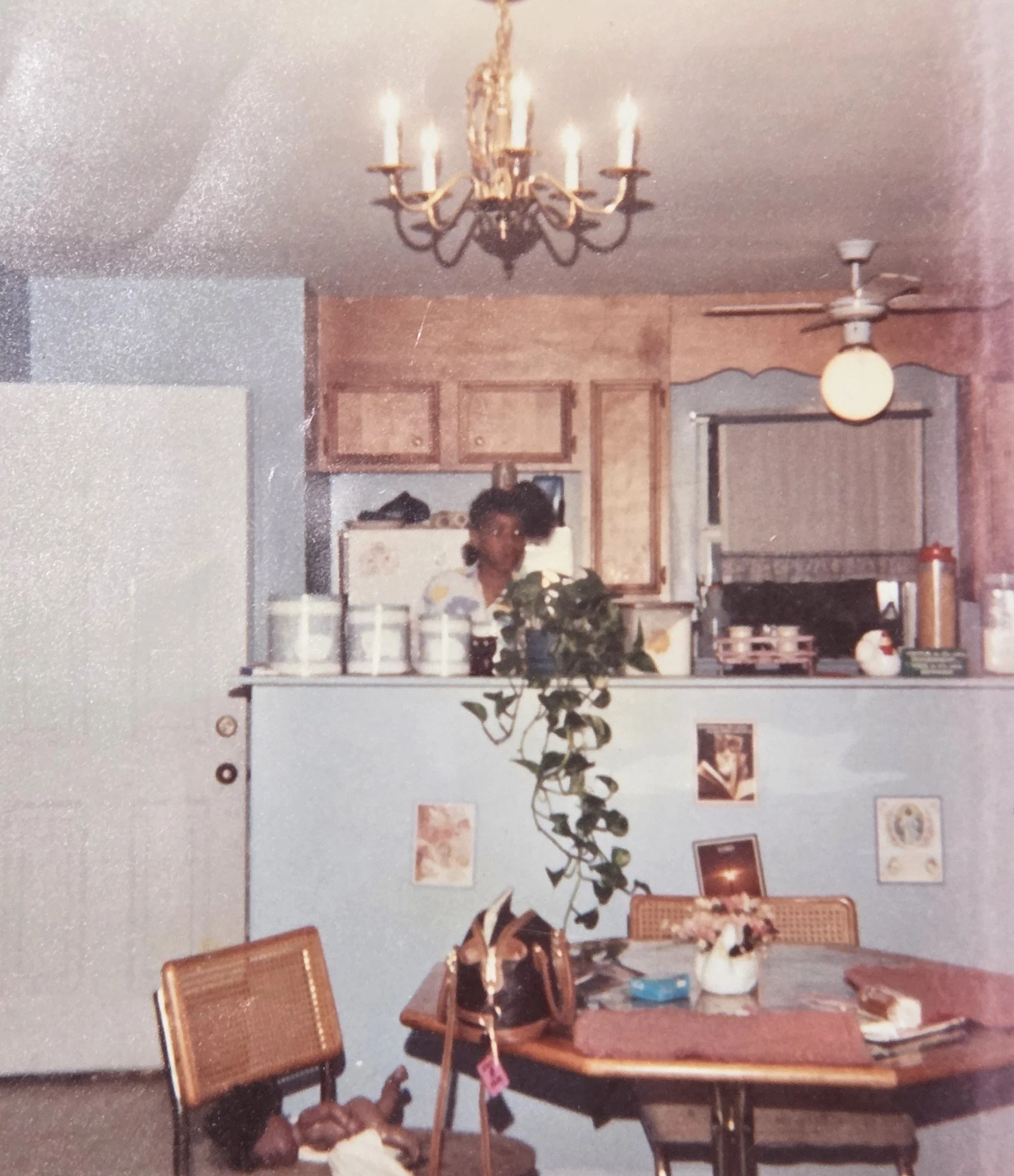
The emotions came quickly. I cried… a lot.
Not just because of what happened, but because of what it meant. To me it meant I was an orphan. I had to push through fear, confusion and hurt all alone.
The experience of not being believed, rescued, supported or protected when I needed it most was overwhelming. There was a grief there that felt both familiar and overwhelming at the same time; like it had been sitting just beneath the surface, waiting to be acknowledged.
You can go years without actively thinking about something, convincing yourself that you’ve moved on. But your body remembers. Your emotions remember. And when you give them space to come forward, they do. Fully. Intensely. Honestly.
There’s something really scary about willingly stepping into something you’ve spent so long trying to avoid. There were moments in the session when I felt unsure, didn’t know what was going to come up next or how deep it was going to go. I’m still very new to this process, and a lot of the time, I’m walking into it without fully knowing what to expect. At the same time, there’s something cathartic about it too.
This isn’t about getting overwhelmed just for the sake of it. It’s not about sitting in the pain and staying there. It’s about processing it in a way that actually allows your mind and body to release what it’s been holding onto.
Adding EMDR to My Healing Journey
For years, I’ve done talk therapy. And it helped in many ways. It gave me language, awareness, understanding. But at some point, I realized that understanding something isn’t always the same as healing it.
I could talk about my experiences and make sense of how they shaped me, but I was still carrying them.
I’d been feeling the weight of them in my reactions, in my patterns, in the way I show up in my life. That’s what led me to trying something different and work through the emotions and memories stored in my body and mind.
It’s uncomfortable and intense. But I’m trusting that it’s no harder than continuing to carry the weight of my unprocessed trauma. No harder than navigating life through patterns that were created in moments I never fully healed from.
So yes, EMDR is hard, but I’m going to continue to show up and do the work.
My Younger Self
For this part of my journey, I’m not just talking about my healing I’m meeting parts of myself I’ve carried for years.
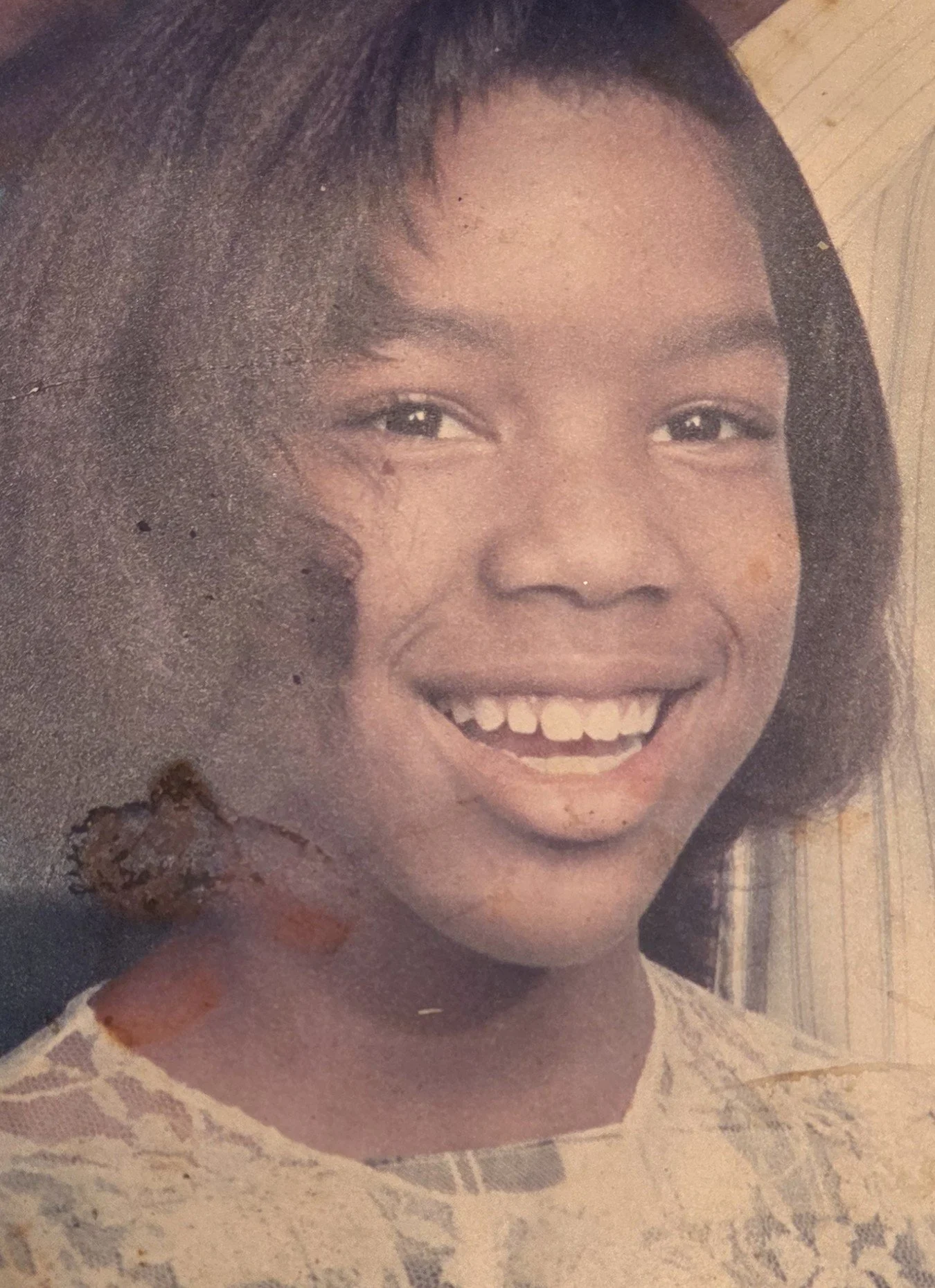
I’m sitting with younger versions of me who didn’t have the words, the support, or the protection they needed in those moments. Versions of me who learned to be strong, to be quiet, to carry more than they should have ever had to. And while it’s painful to go back and see her there, it’s also powerful. Because I’m not that little girl anymore.
I can sit with her now. I can acknowledge what she went through. I can give her the validation, the safety, and the voice she didn’t have then.
